
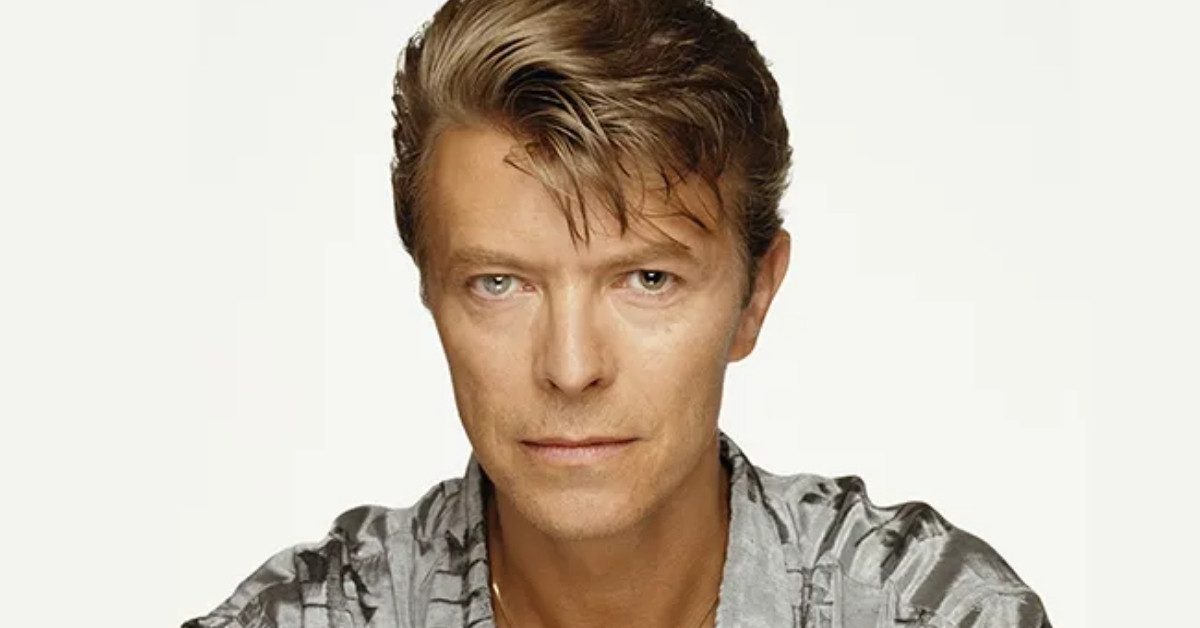
David Bowie was never just a musician. He was a cultural earthquake, a style chameleon, and a sharp business mind hiding behind face paint and reinvention. When people search for david bowie net worth, they are really asking how creativity turned into lasting power. Bowie didn’t chase trends; he built worlds, owned his work, and planned far ahead.
From groundbreaking albums to bold financial moves like Bowie Bonds, every choice added another brick to his fortune. Even after his death, his music earns, his estate grows, and his influence refuses to fade. This story reveals how art, intelligence, and timing created one of music’s most enduring fortunes in modern history.
David Bowie Wiki
| Category | Fact / Figure |
| Full Name | David Robert Jones |
| Profession | English musician, singer-songwriter, actor |
| Date of Birth | January 8, 1947 |
| Date of Death | January 10, 2016 |
| Age at Death | 69 years old |
| Cause of Death | Liver cancer |
| Net Worth at Death | $230 million |
| Total Studio Albums | 27 studio albums |
| Record Sales | Over 100 million records sold |
| Final Album | Blackstar |
| Famous Persona | Ziggy Stardust |
| Major Financial Innovation | Bowie Bonds |
| Bowie Bonds Value | $55 million (Prudential Financial) |
| Music Catalog Value | $100 million (estimated) |
| Catalog Sale | $250 million |
| Catalog Buyer | Warner Chappell |
| Primary Income Sources | Music royalties, publishing catalog, acting, real estate |
| Film Roles | The Man Who Fell to Earth, Labyrinth |
| Awards | Grammy Lifetime Achievement Award |
| Hall of Fame | Rock and Roll Hall of Fame inductee |
| Estate Beneficiaries | Iman (50%), Duncan Jones (25%), Alexandria (25% trust) |
| Major NYC Property | SoHo penthouse |
| NYC Real Estate Value | Part of NYC penthouses ($4 million) |
| Other Properties | Lausanne estate, Mustique villa, Ulster County home |
| Burial Method | Cremated |
What was David Bowie’s Net Worth?
At the time of his passing, David Bowie net worth was estimated at $230 million (net worth at death). That figure reflected decades of smart decisions, steady music royalties, and ownership of valuable intellectual property. Unlike many stars who relied only on touring or album sales, Bowie built wealth that worked for him even when he stepped away from the spotlight.
His fortune included earnings from music, acting, real estate, and one of the most famous financial experiments in entertainment history.What made his wealth remarkable was its structure. Bowie didn’t just earn money. He protected it, grew it, and planned how it would last.
Even years after his death, his estate continues to generate revenue through licensing, streaming, and catalog sales. That long tail of income explains why David Bowie’s financial story still matters today.
Early Life
David Bowie was born David Robert Jones in London, far from the luxury his later life would bring. Growing up, money was tight, and success felt distant. Yet those early years shaped his hunger to stand out and experiment. From a young age, Bowie showed an unusual mix of artistic curiosity and discipline. He studied music seriously and absorbed influences from jazz, theater, and visual art.
That early exposure mattered. It helped Bowie understand that music was not just sound but a product, a brand, and a story. Long before fame arrived, he learned how reinvention could keep an artist relevant. Those lessons became the foundation for a career that would later include 27 studio albums and over 100 million record sales worldwide.
Music Career
- David Bowie’s music career formed the backbone of David Bowie net worth, driven by constant reinvention and long-term audience loyalty.
- As an influential rock artist, he reshaped his sound and image repeatedly, which kept fans engaged across multiple generations.
- Albums like The Rise and Fall of Ziggy Stardust and the Spiders from Mars turned Ziggy Stardust into a global symbol of artistic freedom and identity.
- That iconic persona did more than sell records; it built a powerful and recognizable brand.
- Over his lifetime, Bowie released 27 studio albums, generating massive music royalties that continue to flow today.
- His final project, Blackstar (final album), released days before his death, showed strategic creativity even at the end of his career.
- Streaming platforms, licensing deals, and sync placements keep his catalog active and profitable for his estate.
- Bowie’s decision to own his work ensured control, long-term income, and lasting financial longevity.
Acting Career
Beyond music, Bowie also found success as an actor, which added another layer to David Bowie net worth. He appeared in films that became cult classics, including “The Man Who Fell to Earth” and “Labyrinth”. These roles reinforced his mystique and expanded his audience beyond music fans.
While acting never surpassed music as his main income source, it strengthened his brand. That visibility increased demand for his music, live performances, and licensing opportunities. Bowie understood something many artists miss. Every creative move can support the bigger picture.
Bowie Bonds
In 1997, Bowie made financial history with Bowie Bonds, a move that changed how artists think about money. He chose to securitize his future income by selling bonds backed by his royalty streams. Investors paid $55 million (Prudential Financial) upfront, using his music catalog as collateral.
This deal allowed Bowie to access cash immediately while still maintaining long-term control of his work. At the time, many doubted the idea. Years later, it became a case study taught in finance and entertainment classes. Bowie proved that creative assets could function like financial instruments.
Personal Life
Despite his fame, Bowie lived a relatively private life. He married supermodel Iman (50% beneficiary), and their relationship became a symbol of stability and respect. Bowie avoided excess, focused on art, and spent much of his later life quietly in New York.
That balance mattered. A steady personal life allowed him to make clear decisions about money and legacy. He understood that wealth means little without peace, purpose, and planning.
Death and Estate
David Bowie died on January 10, 2016, after a private battle with liver cancer. He was 69 years old, and his death shocked the world. According to his wishes, he was cremated, and no public funeral was held.
His estate plan was precise and intentional. Bowie made sure his wealth would benefit the people he loved while preserving his artistic legacy.
Catalog Sale
In 2022, Bowie’s publishing catalog was sold to Warner Chappell in a deal worth $250 million (catalog sale). The catalog itself had an estimated $100 million (music catalog value) before the acquisition, showing how demand for his work continued to grow.
This sale ensured long-term protection and professional management of his songs while providing liquidity for his heirs. It also confirmed Bowie’s status as an artist whose work grows more valuable with time.
Awards and Honors
Recognition followed Bowie throughout his life and beyond. He received the Grammy Lifetime Achievement Award and was inducted into the Rock and Roll Hall of Fame as a Rock and Roll Hall of Fame inductee. These honors strengthened his reputation and increased the commercial value of his music.
Awards do more than celebrate talent. They boost credibility, exposure, and long-term earning power. Bowie understood that legacy and revenue often walk hand in hand.
Real Estate
Real estate formed a quiet but important part of David Bowie net worth. His properties reflected both taste and smart investment.
| Property | Estimated Value |
| SoHo penthouse | Part of NYC penthouses ($4 million) |
| Lausanne, Switzerland estate | High-value European residence |
| Mustique Caribbean villa | Luxury retreat |
| Ulster County vacation home | Private countryside property |
Each property added stability and diversification to his portfolio. These assets also became part of the inheritance passed on after his death.
Conclusion
The story behind David Bowie net worth is not just about money. It is about vision, ownership, and courage to think differently. Bowie left behind more than songs. He left a blueprint. His wealth was divided carefully, with Duncan Jones (25%) and Alexandria (25% trust) receiving their shares alongside Iman, ensuring fairness and future security.
David Bowie proved that creativity and intelligence can build something lasting. His fortune lives on, just like his music.
FAQs
What was David Bowie’s net worth when he died?
David Bowie’s net worth was estimated at $230 million when he died, based on music royalties, investments, real estate holdings, and long-term ownership of his catalog.
How did David Bowie make most of his money?
Most of David Bowie’s money came from music royalties, ownership of his publishing catalog, touring income, and innovative financial deals like Bowie Bonds.
Did David Bowie sell his music catalog?
David Bowie sold his music catalog to Warner Chappell in 2022 for about $250 million, securing long-term management and continued value for his estate.
What were Bowie Bonds?
Bowie Bonds were financial instruments that allowed David Bowie to securitize future royalty streams, receiving $55 million upfront from Prudential Financial using his music catalog as collateral.
Who inherited David Bowie’s estate?
David Bowie left his estate primarily to his wife Iman, with 50 percent, while his son Duncan Jones and daughter Alexandria each received 25 percent through inheritance arrangements.
When and how did David Bowie die?
David Bowie died on January 10, 2016, at age 69 from liver cancer, shortly after releasing Blackstar, an album that later increased interest in his music catalog.

Clara Ella writer is known for her kind heart, gentle spirit, and love for spreading encouragement through words. With a passion for faith, positivity, and helping others, she creates uplifting reflections that inspire warmth, hope, and emotional healing. Rooted in real-life experiences and compassionate insight, Clara’s writing connects deeply with readers seeking comfort, light, and meaningful moments in everyday life.