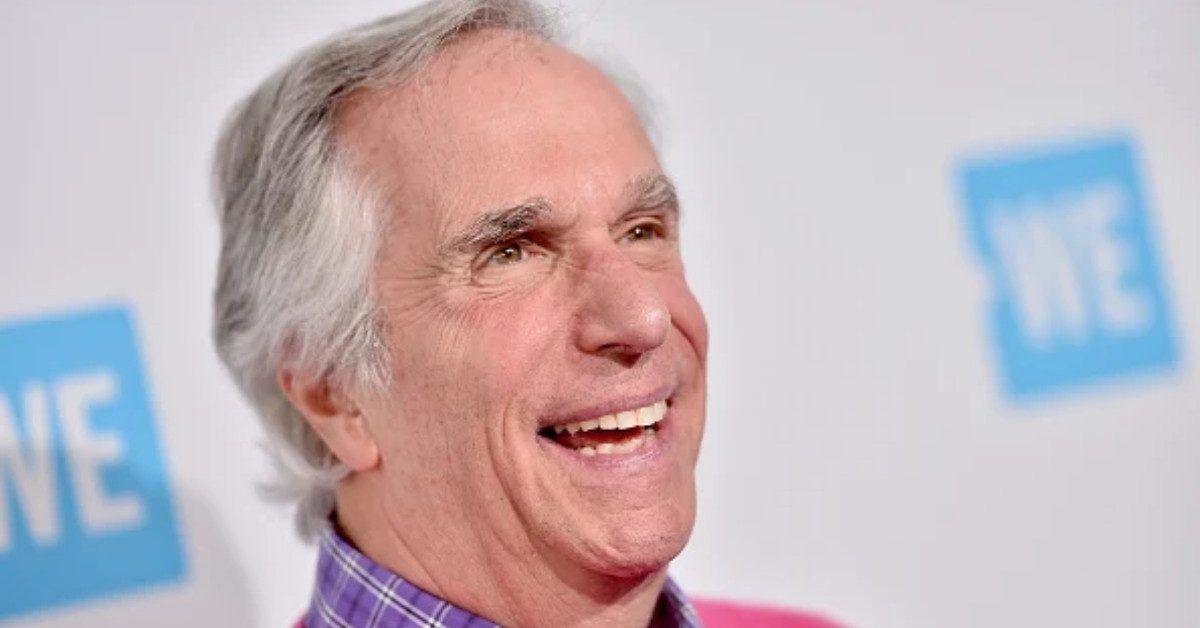
Henry Winkler is far more than a nostalgic television star—he is a masterclass in career longevity, creative reinvention, and smart wealth building. Best known worldwide as Arthur “Fonzie” Fonzarelli from Happy Days, Winkler transformed early fame into a diversified, decades-long Hollywood career. His success spans acting, producing, directing, and bestselling children’s books, all of which contribute to his financial stability.
As of 2026, henry winkler net worth is estimated at $40 million, reflecting not just high-profile roles but consistent income streams, residual earnings, and strategic investments. This article breaks down exactly how Winkler built his fortune and why his legacy continues to grow across generations.
Henry Winkler Wiki
| Category | Details |
| Full Name | Henry Franklin Winkler |
| Date of Birth | October 30, 1945 |
| Age (as of 2026) | 80 years |
| Birthplace | Manhattan, New York, United States |
| Nationality | American |
| Parents | German Jewish immigrants |
| Education | Emerson College (BA), Yale School of Drama (MFA) |
| Learning Difference | Dyslexia |
| Profession | Actor, Producer, Director, Author |
| Years Active | 1970 – Present |
| Breakthrough Role | Arthur “Fonzie” Fonzarelli (Happy Days) |
| Most Iconic Show | Happy Days |
| Other Notable TV Shows | Barry, Arrested Development |
| Notable Films | The Waterboy |
| Major Collaborations | Adam Sandler |
| Awards | Emmy Award winner, Golden Globe Awards |
| Children’s Books | Hank Zipzer series |
| Producing Credits | MacGyver, Sabrina the Teenage Witch |
| Estimated Net Worth | $40 million |
| Primary Income Sources | Acting, producing, book royalties, residual income |
| Real Estate | California-based properties |
| Cultural Status | Television cultural icon |
| Philanthropy Focus | Education causes, dyslexia awareness |
Who Is Henry Winkler?
Henry Franklin Winkler was born on October 30, 1945, in Manhattan, New York, to German Jewish immigrants who fled Europe before World War II. Growing up in New York City, Winkler struggled academically due to undiagnosed dyslexia, a learning difference that made traditional schooling challenging. Despite these obstacles, he showed early determination and resilience—traits that later defined his Hollywood career.
Winkler attended Emerson College, where he earned a Bachelor of Arts degree, and later completed a Master of Fine Arts at the prestigious Yale School of Drama. His formal training gave him a strong foundation in performance, even though early auditions often ended in rejection. Casting directors initially struggled to place him, partly because of his unconventional look and accent.
Over time, Henry Winkler became much more than an actor. He evolved into a producer, director, author, and outspoken education advocate for children with learning differences. Today, he is recognized as a television cultural icon with a decades-long career that blends commercial success, creative risk-taking, and meaningful philanthropic efforts.
Henry Winkler Net Worth Breakdown
Henry Winkler’s net worth is estimated at $40 million, a figure built through diverse income streams rather than a single hit role. Unlike many actors whose earnings peak early, Winkler maintained financial stability by continuously adapting to changes in the entertainment industry.
His wealth comes from a combination of:
- Acting salary from television and film roles
- Residual income from syndication deals
- Producing credits on successful TV shows
- Book royalties from children’s literature
- Real estate investments, particularly California properties
- Backend profits and long-term entertainment industry earnings
What makes his financial profile unique is balance. Television acting provided early income, while producing and directing added long-term value. Writing children’s books created a steady royalty stream independent of Hollywood trends. Real estate further strengthened his property portfolio, offering asset appreciation and security.
This diversified approach to income streams allowed Winkler to avoid overreliance on fame alone. His net worth reflects consistent decision-making rather than short-term financial wins, making his $40 million fortune both sustainable and resilient.
What Does Henry Winkler Spend His Money On?
Despite his wealth, Henry Winkler is known for living a relatively grounded lifestyle. His spending habits align more with long-term comfort and impact than extravagance. A significant portion of his wealth is tied to real estate investments, especially California-based properties that provide both personal use and financial appreciation.
Winkler also invests heavily in education-focused philanthropic efforts. As someone who grew up with dyslexia, he actively supports organizations that raise awareness about learning differences and provide resources for children facing similar challenges. This commitment reflects personal values rather than public image management.
Other areas of spending include:
- Supporting creative projects in film and television
- Funding literacy and education programs
- Maintaining long-term residences rather than frequent luxury purchases
- Family-focused expenses, including travel and private life comforts
Rather than flashy endorsements or high-risk ventures, Winkler prioritizes financial stability and purpose-driven spending. His choices reinforce the idea that wealth building does not require constant display, especially for someone already established as a cultural icon.
Henry Winkler’s Salary Per Role
Henry Winkler’s acting salary has varied widely throughout his career, reflecting changes in the television and film landscape. During Happy Days, he was among the highest-paid television actors of his era, especially as Arthur “Fonzie” Fonzarelli—often called The Fonz—became the show’s breakout character.
Later in his career, Winkler shifted from high upfront salaries to more strategic compensation structures. These included backend profits and residual income, particularly for shows that performed well in syndication. His role in Barry, where he portrayed Gene Cousineau, marked a return to prestige television and earned him Emmy Award recognition.
His earnings typically come from:
- Base acting salary per episode or film
- Performance-based bonuses
- Syndication and streaming residuals
- Long-term backend participation
This flexible approach allowed him to remain active and profitable without chasing blockbuster paychecks. It also reinforced his reputation as a respected Emmy Award winner rather than just a nostalgic star.
How Henry Winkler Built His Wealth
Henry Winkler built his wealth through patience, adaptability, and creative diversification. Unlike actors who rely solely on leading roles, he consistently expanded his professional identity. Acting opened doors, but producing, directing, and writing sustained his income over time.
Key principles behind his wealth building include:
- Embracing multiple income streams
- Leveraging fame into long-term opportunities
- Investing in skills beyond acting
- Prioritizing career longevity over short-term fame
His collaborations with Adam Sandler in films like The Waterboy introduced him to younger audiences while generating steady entertainment industry earnings. Meanwhile, behind-the-scenes roles ensured income even when he was not on screen.
This layered strategy explains how Winkler maintained financial growth well into later stages of his Hollywood career, ultimately reaching a $40 million net worth.
Early Life and Education
Growing up in Manhattan, New York, Henry Winkler faced constant academic pressure. His parents, German Jewish immigrants, placed high value on education, which intensified his struggles with undiagnosed dyslexia. Teachers often misunderstood his learning differences, labeling him lazy or unfocused.
Despite this, Winkler persevered. He attended Emerson College, where he discovered a supportive environment that allowed his creativity to flourish. His acceptance into the Yale School of Drama was a turning point, providing elite training and professional credibility.
This educational journey shaped his later advocacy work. It also influenced his writing career, particularly the Hank Zipzer children’s books, which center on a young boy with dyslexia navigating school and life.
Henry Winkler’s Career Beginnings
Henry Winkler’s early career was defined by rejection. After graduating from Yale, he auditioned extensively but struggled to land roles. Casting directors found him talented but difficult to categorize.
His persistence eventually paid off with small television appearances that showcased his range. These early roles did not bring immediate financial success, but they built the foundation for future opportunities. Winkler learned how television worked from the inside, gaining insights that later helped him as a producer and director.
This phase taught him financial patience. Rather than chasing quick money, he focused on skill development and industry relationships—an approach that later paid significant dividends.
Henry Winkler’s Breakthrough: Happy Days
Winkler’s breakthrough came with Happy Days, where he played Arthur “Fonzie” Fonzarelli. Initially intended as a minor character, The Fonz quickly became a television phenomenon. His leather jacket, confident swagger, and signature charm turned him into one of the most recognizable figures in television history.
The show’s success dramatically increased Winkler’s acting salary and opened the door to syndication deals that continue to generate residual income. Happy Days also cemented his status as a cultural icon, ensuring long-term relevance in television history.
Financially, this role transformed his life. It provided not only immediate earnings but also decades of backend profits that remain a core part of his net worth.
Career After Happy Days
After Happy Days, Henry Winkler made a deliberate effort to avoid being typecast. He transitioned into producing and directing, working on shows like MacGyver and Sabrina the Teenage Witch. These producing credits added stable income streams separate from acting.
As a television actor, he later found success in Arrested Development and Barry, both of which introduced him to new audiences. His role in Barry earned him critical acclaim and an Emmy Award, reinforcing his creative versatility.
This phase of his career highlights longevity. Rather than fading after early fame, Winkler evolved, ensuring continued financial stability and relevance.
Henry Winkler as an Author
One of the most overlooked contributors to Henry Winkler’s net worth is his work as an author. The Hank Zipzer children’s books, co-written with Lin Oliver, draw directly from his experiences with dyslexia.
These books achieved international success, generating consistent book royalties and expanding his influence beyond television. They also strengthened his role as an education advocate, aligning personal history with professional output.
Writing provided:
- Long-term royalty income
- Creative fulfillment outside Hollywood
- A platform for dyslexia awareness
This income stream remains active and meaningful as of 2026.
Henry Winkler’s Real Estate Investments
Real estate investments play a significant role in Winkler’s property portfolio. He owns California properties that have appreciated steadily over time, contributing to his overall wealth and financial security.
Unlike speculative investors, Winkler focuses on stability. His real estate strategy complements his entertainment industry earnings, balancing market volatility with tangible assets.
These investments support long-term wealth preservation rather than rapid expansion, reinforcing his measured financial approach.
The Legacy of Henry Winkler
Henry Winkler’s legacy extends far beyond net worth figures. He is a symbol of career longevity, creative reinvention, and resilience. From overcoming dyslexia to becoming an Emmy Award winner and Golden Globe Awards recipient, his journey resonates across generations.
He remains a respected figure in television history, admired for both his professional achievements and philanthropic efforts. His advocacy for education and learning differences has had real-world impact, making his success meaningful as well as financial.
Final Thoughts
Henry Winkler’s $40 million fortune is the result of thoughtful choices, adaptability, and a commitment to growth. His story shows that true wealth building comes from diversification, purpose, and persistence. As of 2026, Henry Franklin Winkler stands as a powerful example of how talent, integrity, and smart financial decisions can create lasting success in the entertainment industry.
FAQS
What is Henry Winkler’s net worth?
Henry Winkler’s net worth is estimated at $40 million, earned through acting, producing, book royalties, residual income, and long-term entertainment industry earnings.
How did Henry Winkler make most of his money?
He built most of his wealth from television acting salaries, syndication deals, producing credits, book royalties, and steady residual income across decades.
What role made Henry Winkler famous?
Henry Winkler became famous for playing Arthur “Fonzie” Fonzarelli, known as The Fonz, on the iconic television series Happy Days.
Does Henry Winkler still earn money from Happy Days?
Yes, Henry Winkler continues earning residual income from Happy Days through syndication deals and ongoing licensing across television and streaming platforms.
Is Henry Winkler an Emmy Award winner?
Yes, Henry Winkler is an Emmy Award winner, recognized for his critically acclaimed performance as Gene Cousineau in the television series Barry.
What books has Henry Winkler written?
Henry Winkler co-authored the Hank Zipzer children’s books, inspired by his dyslexia and focused on learning differences and educational inclusion.
Does Henry Winkler invest in real estate?
Yes, Henry Winkler owns California properties and has built a stable property portfolio as part of his long-term wealth-building strategy.
What TV shows has Henry Winkler produced?
Henry Winkler has produced popular television shows including MacGyver and Sabrina the Teenage Witch, contributing significantly to his producing credits.
What is Henry Winkler’s age and birthplace?
Henry Winkler was born on October 30, 1945, in Manhattan, New York, and is 80 years old as of 2026.
Why is Henry Winkler considered a cultural icon?
He is considered a cultural icon due to his role in Happy Days, career longevity, creative versatility, and lasting influence on television history.

Clara Ella writer is known for her kind heart, gentle spirit, and love for spreading encouragement through words. With a passion for faith, positivity, and helping others, she creates uplifting reflections that inspire warmth, hope, and emotional healing. Rooted in real-life experiences and compassionate insight, Clara’s writing connects deeply with readers seeking comfort, light, and meaningful moments in everyday life.